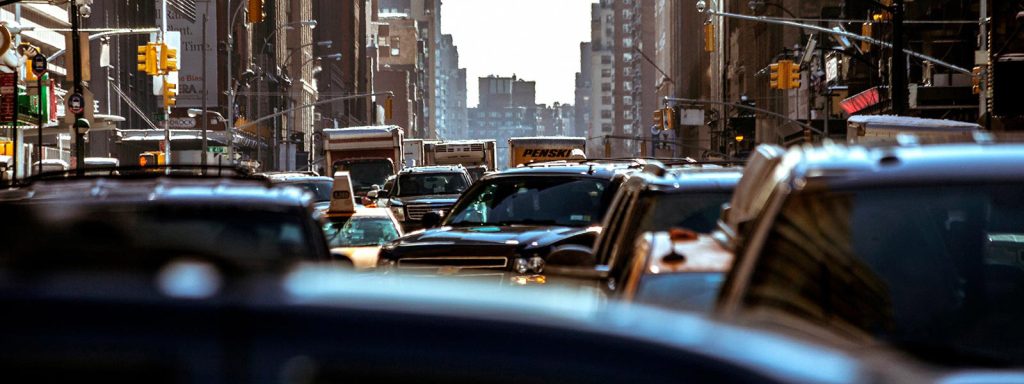

















Downtown Toronto is one of the busiest urban centres in Canada, with thousands of pedestrians, cyclists, transit riders, and motorists sharing the road every day. While the city’s walkability is one of its greatest strengths, it also creates a greater risk of pedestrian accidents at busy intersections, crosswalks, and transit corridors. A pedestrian struck by a vehicle often suffers severe injuries because there is little protection from the force of impact. Understanding your legal rights after a collision is essential if you or a loved one has been injured.
Pedestrian safety remains a major concern across the city. Toronto recorded 29 pedestrian fatalities in 2023, up from 22 in 2022. Pedestrian fatalities in Toronto have historically ranged from 21 to 44 per year since 2016. In 2025, there were only 9 pedestrian fatalities in Toronto, demonstrating that meaningful progress is possible. However, Toronto traffic fatalities increased by 28% in 2026, and there were 23 fatal collisions in Toronto by June 1, 2026. In some years, pedestrians accounted for nearly 50% of traffic deaths, highlighting just how vulnerable they are on Toronto’s roads.
To address this ongoing problem, the City of Toronto focuses on reducing traffic-related fatalities and serious injuries to zero through its Vision Zero Road Safety Plan. Despite these efforts, serious pedestrian collisions continue to occur throughout the downtown core, often leaving victims with life-changing injuries and significant financial losses. This guide explains what injured Torontonians should know after a downtown pedestrian accident, including how accident benefits work, when you may be able to file a lawsuit, and the steps you can take to protect your health and your legal rights.
Why Are Pedestrian Accidents So Common in Downtown Toronto?
Downtown Toronto is one of the busiest places in Canada, with thousands of pedestrians, cyclists, drivers, and transit users sharing the same streets every day. People are constantly walking between office buildings, restaurants, shopping districts, transit stations, and entertainment venues. This heavy mix of road users increases the likelihood of collisions, especially at busy intersections, near traffic lights, and around streetcar stops. Even areas that seem safer, such as parking lots and private driveways, can become the scene of serious pedestrian accidents when motorists fail to exercise caution.
Many collisions happen because a driver is not paying attention to the road. Distracted drivers who are texting, adjusting navigation systems, eating, or talking to passengers may fail to notice someone crossing the street until it is too late. Likewise, pedestrians who are distracted by their phones or headphones may not see approaching vehicles. When both drivers and pedestrians lose focus, the risk of a serious collision increases significantly.
Another major factor is speeding. A vehicle travelling above the speed limit requires a longer distance to stop and strikes a pedestrian with much greater force. Drivers who fail to check crosswalks, ignore turning rules, or overlook people using sidewalks and crosswalks put everyone at greater risk. By slowing down, staying alert, and paying attention to everyone sharing the road, drivers, pedestrians, and cyclists can all play an important role in reducing serious accidents throughout downtown Toronto.
Recent statistics highlight just how serious the issue has become. Thirteen of the 21 traffic fatalities in Toronto during 2026 were pedestrians, demonstrating that people on foot continue to face the greatest risk on the city’s roads. Pedestrian accidents in Toronto occur more frequently during the autumn and winter months, when shorter daylight hours, poor weather, snow, ice, and reduced visibility make it harder for drivers to see people crossing the street. These seasonal challenges make it even more important for everyone to remain alert and exercise extra caution whenever they are travelling through downtown Toronto.
Where Do Pedestrian Accidents Happen Most Often?
Pedestrian accidents can happen anywhere, but certain areas of downtown Toronto experience far more collisions because of their high traffic volumes. Busy intersections such as Yonge Street and Dundas Street West, Yonge Street and Bloor Street, King Street West and Spadina Avenue, University Avenue and College Street, and Front Street West and York Street see thousands of pedestrians and vehicles every day. These locations have multiple traffic lights, turning vehicles, streetcars, cyclists, and large crowds, creating numerous conflict points where serious collisions can occur. Everyone involved must remain alert to help prevent accidents.
Many pedestrians are struck while legally crossing at marked crosswalks. Left-turning and right-turning drivers often focus on finding gaps in traffic and fail to notice someone already crossing the street. Areas surrounding Toronto Eaton Centre, Nathan Phillips Square, Union Station, the Entertainment District, and the Hospital District are particularly busy throughout the day. Drivers must also watch carefully when entering or leaving laneways, parking garages, and loading zones, where pedestrians frequently use nearby sidewalks.
Excessive speed continues to make pedestrian collisions far more severe. Speeding reduces a driver’s reaction time and dramatically increases the force of impact if a collision occurs. Even if a person is crossing with the right of way, a speeding vehicle may not be able to stop before reaching the crosswalk. By slowing down, checking carefully for pedestrians before turning, and remaining attentive in Toronto’s busiest neighbourhoods, drivers can play a major role in preventing life-changing pedestrian injuries.
The Most Common Causes of Downtown Pedestrian Accidents
Most downtown Toronto pedestrian accidents are preventable. They often occur because a driver, cyclist, or pedestrian makes a split-second mistake in a busy urban environment. With congested roads, frequent transit stops, construction zones, and thousands of people crossing the street every hour, even a brief lapse in attention can lead to a devastating collision. Understanding the most common causes of pedestrian accidents can help road users stay safer and may also help determine who is legally responsible after a crash.
One of the leading causes is distracted driving. Drivers who are texting, using a GPS, adjusting the radio, or talking on a phone may fail to notice pedestrians entering a crosswalk. Failure to yield is another common factor, particularly when drivers are making left or right turns at busy intersections. Speeding also plays a significant role because it reduces reaction time and increases both the likelihood and severity of a collision. Impaired driving, aggressive driving, and running red lights further increase the risk of striking someone on foot.
Downtown Toronto also presents unique hazards that contribute to pedestrian collisions. Streetcars can obstruct sightlines, construction projects may force pedestrians into temporary walkways, and rideshare vehicles or delivery trucks often stop unexpectedly along busy streets. Heavy traffic around schools, hospitals, entertainment venues, and transit stations creates additional conflict points where pedestrians and vehicles interact. Poor weather, reduced daylight during the fall and winter, and slippery road conditions can make it even more difficult for drivers to see and safely respond to pedestrians.
Although drivers have a legal duty to exercise reasonable care, pedestrians also play an important role in road safety. Crossing against a signal, stepping into traffic unexpectedly, or becoming distracted by a mobile phone can increase the risk of a collision. Every pedestrian accident requires a careful investigation to determine exactly what happened, who was responsible, and whether the injured person is entitled to accident benefits or compensation through a personal injury claim.
Who Is Most at Risk?
While anyone can be injured in a pedestrian accident, certain groups face a significantly higher risk in downtown Toronto. Pedestrian accidents peak during evening rush hours from 5 PM to 9 PM, when roads are congested with commuters, transit vehicles, cyclists, rideshare drivers, and delivery traffic. Reduced visibility during the fall and winter months, combined with heavy pedestrian activity, further increases the likelihood of serious collisions. Children, people with mobility challenges, transit users, and individuals walking in busy commercial areas are also more vulnerable because they spend more time near high-traffic intersections and crosswalks.
Older adults face the greatest risk of fatal injuries. Seniors represent 14% of the population but over 60% of pedestrian fatalities in Toronto. They are generally more vulnerable to severe injuries because of reduced mobility, slower walking speeds, and increased physical frailty. Even a collision at a relatively low speed can result in life-altering or fatal injuries. Drivers should exercise extra caution when approaching seniors, school zones, hospitals, retirement residences, and busy pedestrian corridors to help reduce the risk of devastating accidents.
What Is Toronto Doing to Improve Pedestrian Safety?
The City of Toronto has introduced several initiatives to make streets safer for everyone. Toronto’s Vision Zero strategy includes installing accessible pedestrian signals and lowering speed limits in areas where serious collisions are more likely to occur. Leading Pedestrian Intervals give walkers a head start at crosswalks, allowing people to begin crossing before vehicles receive a green light to turn. The city has also implemented traffic-calming measures like raised sidewalks, curb extensions, speed humps, and redesigned intersections to encourage slower driving and improve visibility. In addition, the city plans to widen sidewalks and reduce vehicle lanes to enhance pedestrian safety in several high-traffic neighbourhoods.
Toronto continues to invest in programs that improve traffic flow and reduce the risk of collisions. Traffic agents are stationed in high-volume areas to manage pedestrian safety at intersections, helping to keep vehicles, pedestrians, cyclists, and transit moving safely during busy periods. The city also maintains a Vision Zero Dashboard tracking safety initiatives and collision statistics, allowing residents to monitor progress and identify areas where additional improvements are needed. While these measures have helped reduce collisions in some locations, serious pedestrian accidents continue to occur, making driver awareness, enforcement, and ongoing infrastructure improvements essential to protecting everyone who uses Toronto’s streets.
How Toronto’s Urban Environment Can Affect Your Injury Claim
Downtown Toronto presents unique challenges when investigating a pedestrian accident. With thousands of people walking through busy intersections every day, collisions often occur in areas filled with streetcars, cyclists, buses, construction zones, rideshare vehicles, and heavy traffic. Determining exactly how a person was struck by a car may require reviewing surveillance footage from nearby businesses, traffic cameras, dashcams, and witness statements. The complexity of the downtown environment means that gathering evidence quickly is often critical to building a strong injury claim.
A thorough investigation by the Toronto Police can play an important role in determining how the collision occurred. Police reports may include witness interviews, photographs, measurements, road conditions, traffic signal information, and any charges laid against the driver. This evidence can help establish liability and may be valuable when negotiating with an insurance company or pursuing a personal injury lawsuit. Medical records, expert opinions, and accident reconstruction evidence may also be needed in more serious cases.
The severity of your injuries and the long-term consequences of the collision will also affect the value of your claim. Victims may be entitled to compensation for medical expenses, lost income, rehabilitation costs, future care needs, and pain and suffering. As traffic fatalities and serious pedestrian injuries continue to be a concern throughout Toronto, it is important to seek legal advice as soon as possible after an accident. An experienced pedestrian accident lawyer can help preserve evidence, protect your legal rights, and pursue the maximum compensation available under Ontario law.
What Should You Do If You’re Hit in Downtown Toronto?
The moments after a pedestrian accident can be overwhelming, especially in a busy downtown environment. Your actions immediately after the collision can affect both your health and your legal rights. While every situation is different, following a few important steps can help protect your well-being and strengthen any future insurance or personal injury claim.
Pedestrian Accident Checklist
- Call 9-1-1 immediately. Request emergency medical assistance and police attendance, even if your injuries appear to be minor.
- Move to safety if possible. If you can do so without worsening your injuries, move away from traffic to avoid further danger.
- Seek medical attention right away. Some injuries, including concussions, internal injuries, and spinal trauma, may not show symptoms immediately.
- Exchange information with the driver. Obtain the driver’s name, phone number, licence plate number, driver’s licence number, and insurance information.
- Take photographs and videos. Document the accident scene, vehicle damage, traffic signals, road conditions, crosswalk markings, weather conditions, and your injuries.
- Speak with witnesses. Collect the names and contact information of anyone who saw the collision.
- Cooperate with police. Provide accurate information to the responding officers and ask how you can obtain a copy of the police report.
- Avoid discussing fault. Do not apologize or speculate about what happened. Simply provide the facts.
- Notify the appropriate insurance company. Report the collision promptly so you can begin the accident benefits process.
- Keep all records. Save medical reports, receipts, prescriptions, rehabilitation invoices, photographs, and correspondence related to the accident.
- Contact an experienced Toronto pedestrian accident lawyer. Early legal advice can help preserve evidence, protect your rights, and maximize the compensation available to you.
Taking these steps can make a significant difference in your recovery and your legal claim. The sooner evidence is preserved and the proper insurance procedures begin, the better positioned you will be to pursue accident benefits and any additional compensation available under Ontario law.
Pedestrian Safety Tips for Downtown Toronto
The best way to protect yourself after a pedestrian accident is to act quickly and understand your legal rights. Even if you believe your injuries are minor, seek medical attention immediately and report the collision to the appropriate authorities. Preserve as much evidence as possible by taking photographs of the accident scene, obtaining witness contact information, and keeping copies of all medical records, receipts, and correspondence with the insurance company. These simple steps can make a significant difference if you later need to pursue accident benefits or a personal injury claim.
An experienced Toronto pedestrian accident lawyer can also play a vital role in protecting your interests from the very beginning. Insurance companies often begin investigating a claim immediately after a collision. Your lawyer can communicate with insurance adjusters on your behalf, gather surveillance footage and witness statements before they disappear, obtain police and medical records, and ensure that all accident benefits applications and legal deadlines are met. Early legal representation can help prevent costly mistakes that may affect the value of your claim.
At Bergel Magence Personal Injury Lawyers, we have helped injured pedestrians throughout Toronto recover compensation after serious accidents. Our team understands the challenges that follow a pedestrian collision, from mounting medical expenses and lost income to long-term rehabilitation and future care needs. We will investigate the accident, determine who was responsible, build the strongest possible case, and fight for the maximum compensation available under Ontario law.
If you or someone you love has been injured in a downtown Toronto pedestrian accident, do not wait to get legal advice. Contact Bergel Magence Personal Injury Lawyers today for a free consultation. We will explain your rights, answer your questions, and guide you through every step of the claims process so you can focus on your recovery while we focus on your case.